Our very own Patrizia Stipcich sat down with Chiara Ceci at Pikai to discuss biodiversity, posidonia and the change that the Mediterranean Sea is facing due to climate change.
Patrizia is a marine ecologist and researcher at the University of Naples Federico II. She is involved in
spoke 1 of the National Biodiversity Future Center , dedicated to mapping and monitoring interventions to preserve the marine ecosystem.
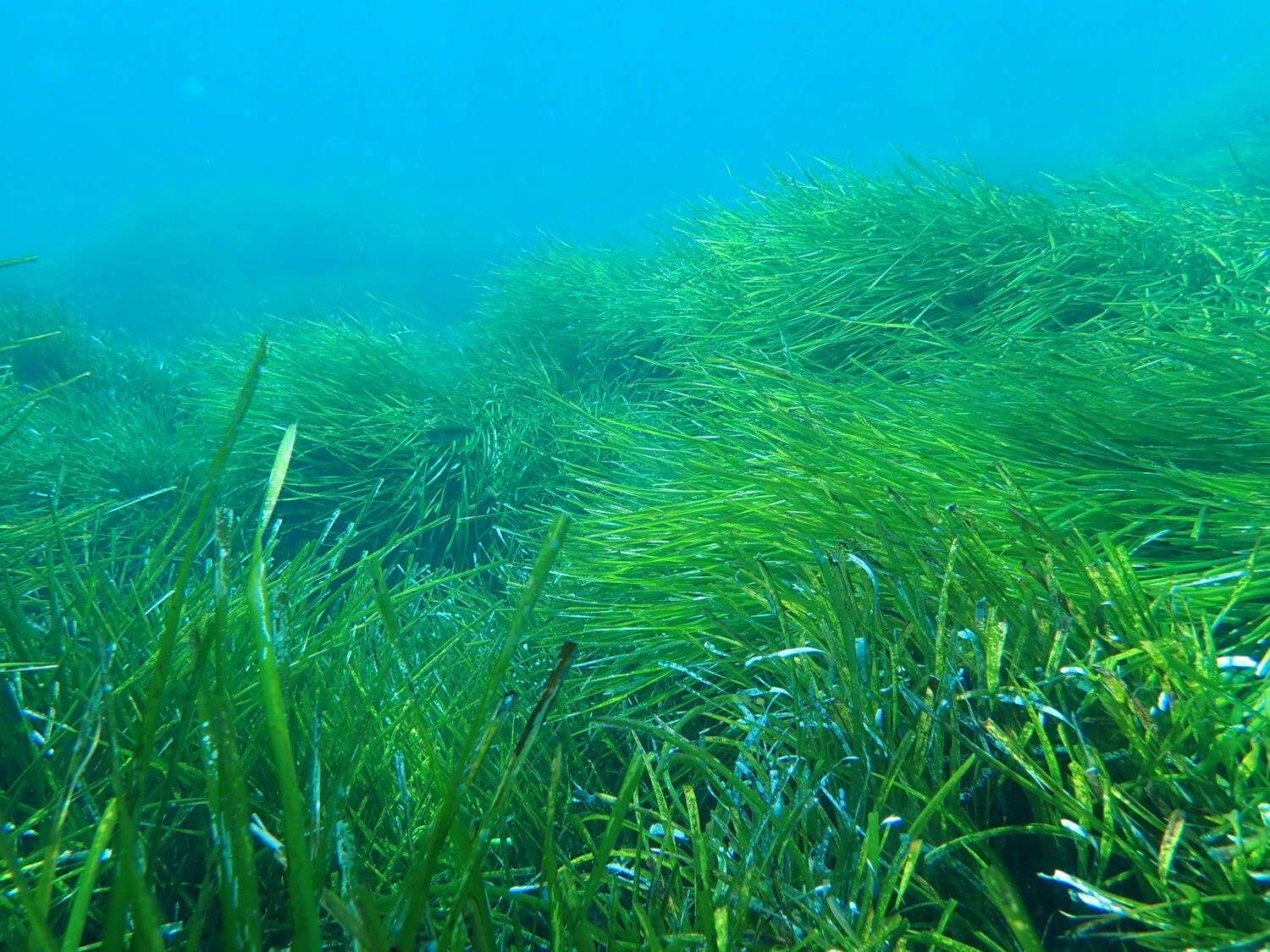
For those who don’t know, Posidonia Oceanica is a plant endemic to the basin and a true ecological engine of the seabed. It’s incredibly effective at filtering water and producing oxygen. 1 square metre of Posidonia produces as much oxygen as 1 hectare of the Amazon rainforest. These
immense meadows provide food and shelter for different organisms; including fish, starfish, mollusks, sea urchins, and many others. At the same time, they protect our coasts by dampening wave action.
Whilst it is under pressure, the goal is to find out how it will behave, will it survive, and can it continue to provide its ecological services in the event that ocean temperatures and acidification continue to rise.
An experiment that Patrizia ran in Cyprus summer 2024 simulated this scenario. Bundles of
Posidonia oceanica were collected from a depth of 30 meters to a depth of 10 meters . To isolate the effect of temperature, the researchers also had to control the light, which is more intense near the surface. To do this, they used shade cloths, recreating the same light conditions at 10 meters as at 30 meters. This allowed them to expose the plant to a higher temperature while maintaining the same irradiance as at 30 meters.
Watch the interview on YouTube for free below!
(p.s you’ll need to put the English captions on, for the non-Italian speaking audience)
We have other articles about Posidonia which you can find here: