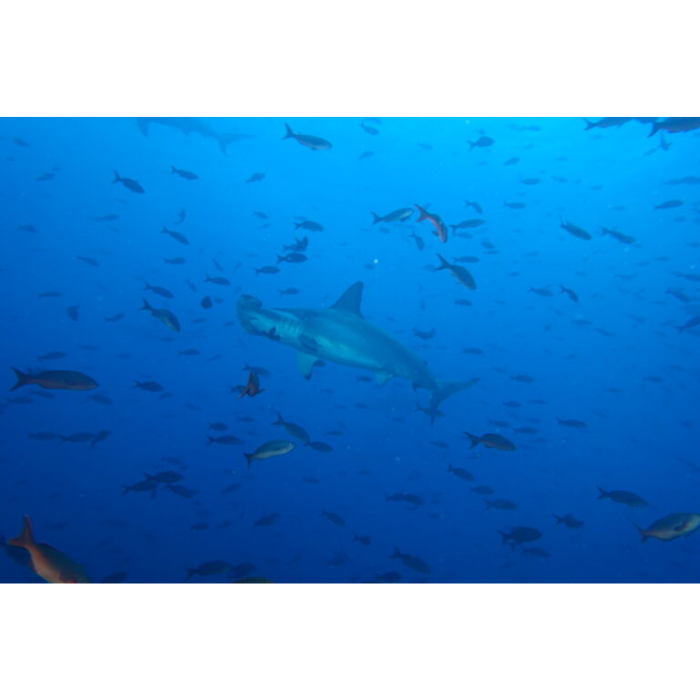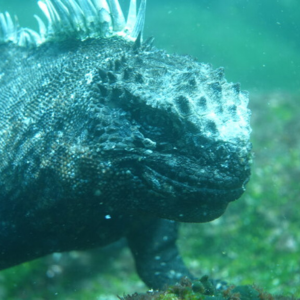
Getting to know the Galapagos Islands and a few of its inhabitants
- Vessel: Galaxy Diver
- Duration: 8D/7N
- Date: October 12-19, 2022
- Weather: Sunny/overcast
- Surface: 21-23 Celsius
- Water: 17-24 Celsius
- Open sea: Fairly rough
- Bays: Calm
Renowned under many alias’, the Enchanted Islands (most famously known as the Galapagos) can be accessed via a 2-hour flight from Guayaquil Airport, in West Ecuador. Another way to access the islands by air is from Quito Airport (Mariscal Sucre International).
A 13-hour direct flight from Amsterdam took me to Quito (Ecuador) where I stayed in the Hotel Mariscal located just 10 minutes’ drive from the airport. Although it’s very close, a taxi costs $10 whereas the local bus will cost $1. The hotel is priced very reasonably at $26 per night for a double-bed room. Some websites recognised it as a “hostal”, I got confused as well, but it’s the same place! This included a transfer to the airport in the early morning for my departure to Baltra, which is the main airport accessing the Galapagos Islands. It is located next to Santa Cruz Island (one of four inhabited islands). The other island you may have to fly to, depending on your itinerary, is San Cristobal. Floreana and Isabela are two of the largest islands in the Galapagos and the only others with human inhabitants, however they are only accessible by boat.

There are 3 domestic flight companies operating flights in and out of the Galapagos which are Avianca, Latam and Tame.
In the Hotel Mariscal, there’s a small diner 1-minute walk from the accommodation which has dinner and breakfast available. A decent burger with fries and a beer set me back $10. I could have gone for something a bit more luxury, there is also the Wyndham Hotel available less than 10 minutes from the airport. Prices start from $120 for a room for non-members, though the Hotel Mariscal was perfectly comfortable and sufficient for the overnight stay I needed. The city of Quito is located around 1-hour taxi drive from the airport ($30-40$), or 2 hours on the local bus ($5-10). I won’t go into detail here about the city as I didn’t have time to explore, we’ll save that for another time!
It’s worth noting that there are 2 ‘high seasons’ to consider when travelling through Ecuador that can affect availability and price. These are mainly due to school holidays; December – February (Guayaquil/coastal regions) and June – August (Quito/Highlands).
ADVANCED OPEN WATER DIVER COURSE
If you are looking to continue your dive education, you will want to consider the Advanced Open Water course. Not only is this one of the most fun courses, you’re also going to finish with many new skills and tricks on how to be a better diver.
We will dive to 30 metres (21 metres for Junior), learn Underwater Navigation, along with a selection of other specialities.
- Complete in just 5 dives over 2 days.
- More practical, less theoretical
- You can choose to improve buoyancy, photography, ecology and many more skills.
"*" indicates required fields
Day 1
Of the 5 dives that you can select, a mandatory skill is Underwater Navigation. Through detailed briefings and instruction, you will gain knowledge of natural navigation, dive planning, using a compass correctly, as well as how to orient yourself when visibility is low. You can then choose 2 more from the following options:
- Digital Underwater Imaging (Photography)
- Enriched Air
- Fish Identification
- Night
- Peak Performance Buoyancy
- Search and Recovery
- Shark Conservation
- Underwater Naturalist
- Wreck
Day 2
The Deep is the second mandatory dive for the Advanced Open Water course. After the briefing, we will venture down to 30 metres (conditions permitting) and through a few exercises, see how colours change, our physiology is affected and how the pressure affects the surroundings. The final dive will be the third choice of skills you want to improve.
After these are complete, you’ll be a certified Advanced Open Water diver, ready to explore even more of our underwater world!
Arriving in Quito airport, it was necessary for me to do two things: purchase the TCT card and have my luggage scanned and tagged before checking in.
What is a “TCT card”?
The TCT card is a Transit Control Card and should be purchased by every foreigner planning on entering the Galapagos. There are also regulations for locals and workers, however for the purpose of this article, I’ll just stick to the tourist information. It costs $20, and you will get two identical cards, one for entering and one you will need to show upon exiting, so make sure to keep it safe! A good thing to bear in mind is that when booking with Galaxy Diver, they can have this arranged for you before you arrive. This won’t cost any extra and could save you a lot of time. I also made use of the ATM’s at the opposite end of the airport (no need to panic about getting lost, it’s a small departure hall) to take some cash for the National Park fee, which is $100 (edit: it’s now $200) and only payable in cash once you arrive in Galapagos.
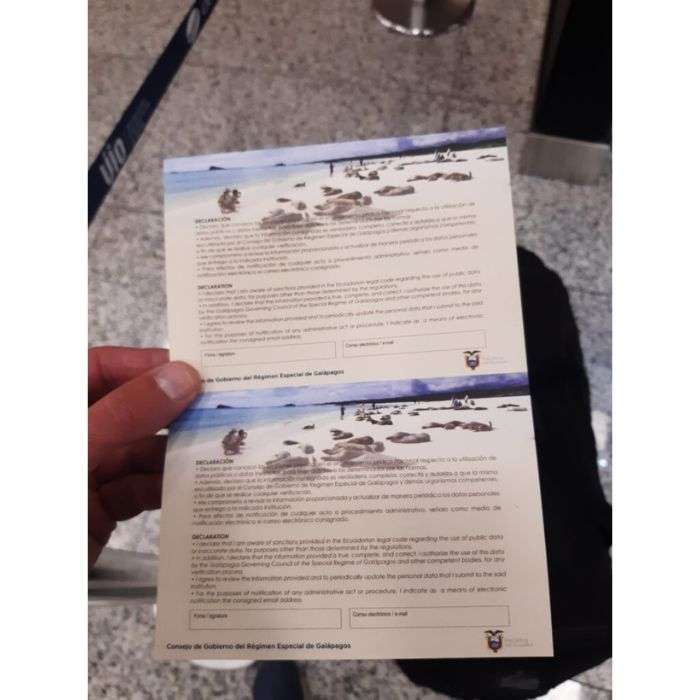
After having my luggage scanned and tagged (which takes place in a room, next to the TCT desk), I was ready to check in and board my flight to Baltra. The process of having your bag scanned is to ensure that no foreign objects, particularly biological or contraband, are entering the National Park. It is a highly sensitive ecosystem and the introduction of any plants, animals or chemicals could severely affect the ecosystem, so bear this in mind before packing your favourite cactus. Although this can be a lot to get through, especially at 05:00am in the morning, if you travel with Galaxy Divers, they will send a representative to meet you at the airport to guide you through all the necessary steps. They were helpful and made the whole process very simple.
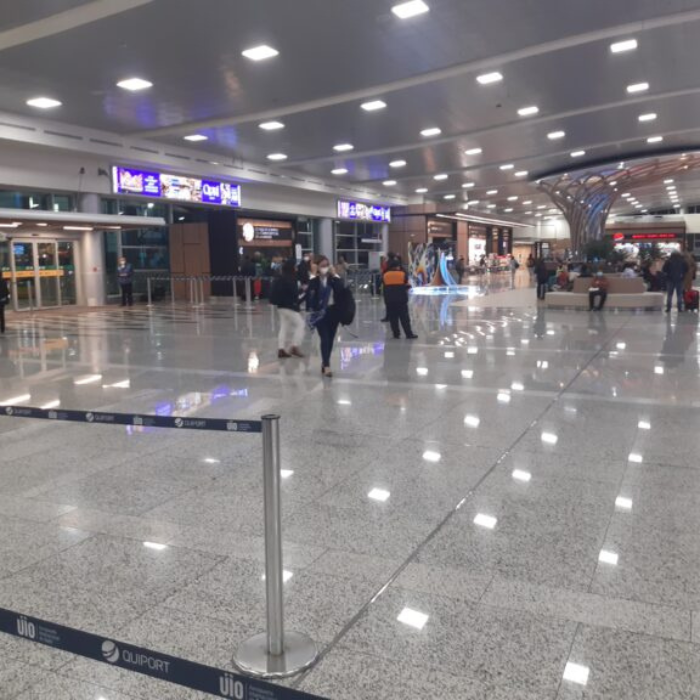
There are water-bottle filling stations throughout the airport after check-in and a few bars and café’s for refreshments, as well as some souvenir shops.
My flight stopped in Guayaquil on the way to Baltra, and we were asked to stay on the flight whilst they loaded more guests and supplies. This is normal, and you should remain on the plane, unless otherwise instructed.
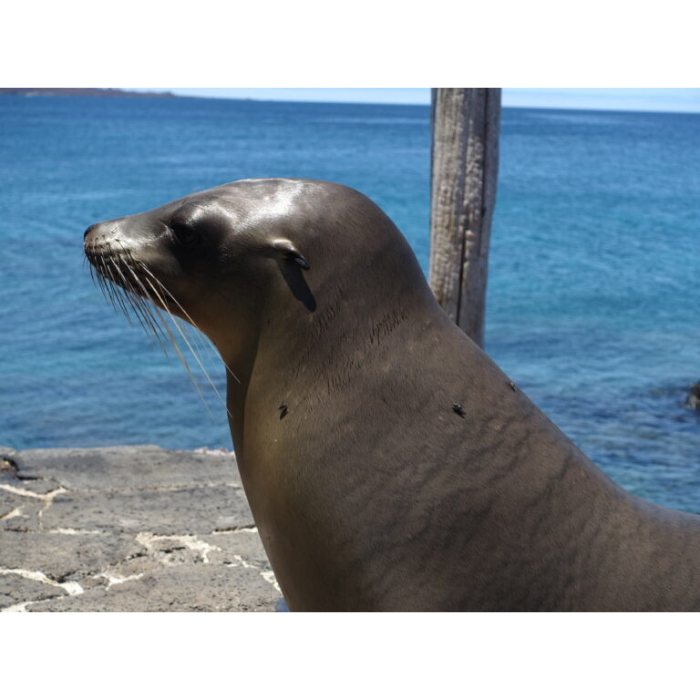
Upon arriving at the airport, I paid the National Park Fee, collected my bag and met the representative of the Galaxy Diver. We awaited the remaining guests and were escorted by our guides for the week to the boat, via minibus. We were welcomed to the port by a few endemic Blue-Footed Boobies and sea lions resting under the pier, which was an awesome welcome.

Now, the real fun begins. Follow on to part two to see the Enchanted Islands underwater, my first experience with the largest fish on the planet and a close encounter drifting through schools of sharks in strong currents, limited visibility, and a long way from land.
Key Tips
- Keep the TCT card in good condition for when you leave
- National Park Fees are payable in cash only
- Planning to arrive in Galapagos the same day as the cruise starts? Book the flights through the dive operator
- Spread your travel out. Allow yourself enough time to get to the islands in time for the cruise so you are not rushing