
Turtles, Shipwrecks and Sunshine
Cyprus is renowned for its hot climate, which also makes diving conditions excellent throughout most of the year.
The island, in the eastern Mediterranean, is a diver’s paradise offering warm waters, incredible visibility, and a diverse underwater world teeming with marine life. From the rocky coastlines of the east to the rugged beauty of the western shores, the diving conditions in Cyprus cater to both beginners and seasoned divers. It’s also famous for its shipwrecks, each telling its own story, and the ongoing marine conservation efforts that aim to preserve its aquatic wonders for future generations.
The marine life is some of the best in the Mediterranean, with possibilities to see a whole range of fish species, turtles, octopus and nudibranch all on a single dive. Keep your masks clean and your eyes peeled for schools of bottlenose dolphins.
Cyprus boasts ideal diving conditions year-round. The Mediterranean climate means water temperatures range from 16°C in winter to 28°C in summer, with visibility often exceeding 30 meters. These crystal-clear waters make it easy for divers to explore the fascinating underwater landscapes, including caves, tunnels, reefs, and wrecks.
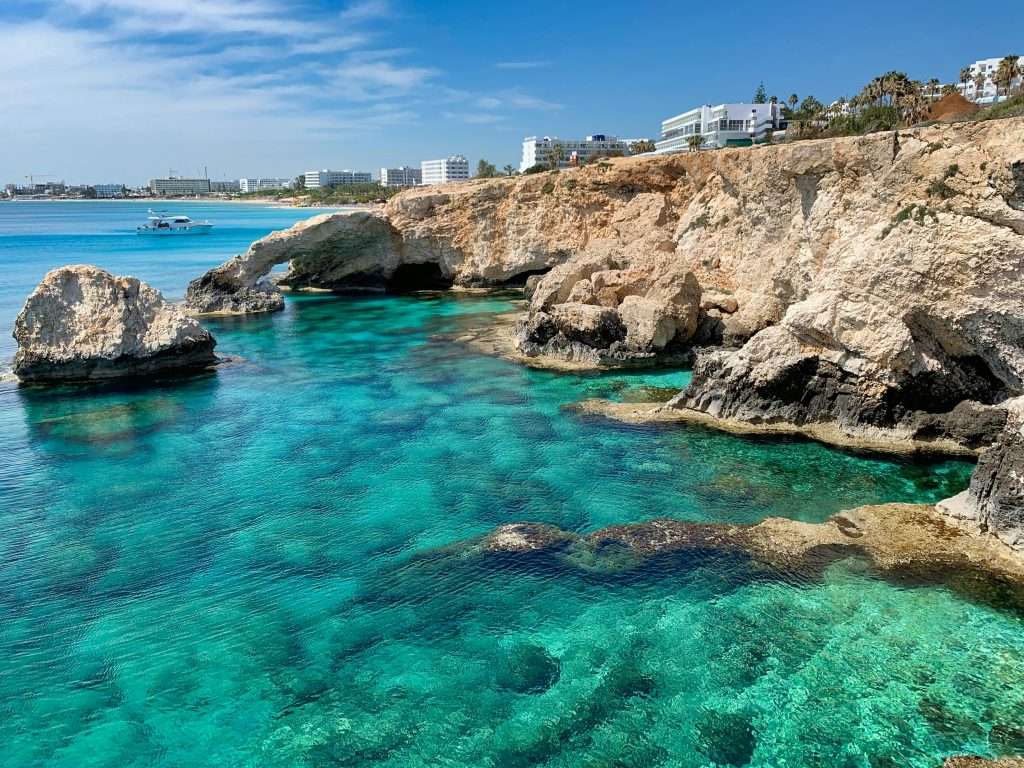
The island’s east coast, particularly around Ayia Napa and Protaras, is known for its shallow dive sites with dramatic rock formations and coral gardens, making it perfect for novice divers. The central coastline near Larnaca features famous wreck sites, while the southern areas around Limassol and Paphos offer an intriguing mix of natural and artificial reefs. The western coast, near Akamas Peninsula, provides more challenging dives with steep drop-offs and an abundance of marine life.
The Zenobia
Cyprus is synonymous with wreck diving, offering some of the best sites in the Mediterranean. The crown jewel of these is the Zenobia, a Swedish ferry that sank near Larnaca in 1980. The site is well renowned for being one of the top-rated wreck dives in the world, with much still being left in-tact and suitable for divers of all levels. You don’t want to miss the chance to see this extraordinary place. Divers can explore her cargo of trucks, the intricate interior, and the vibrant marine life that now calls the wreck home, including groupers, tuna, and even turtles.
The east coast also boasts the Nemesis III and Liberty wrecks, which were deliberately sunk as artificial reefs. These newer wrecks have quickly become havens for marine life, attracting schools of fish and divers alike.
On the southern coast near Limassol, the Lady Thetis and Constandis wrecks provide accessible dive sites with shallow depths and rich biodiversity. Meanwhile, the Vera K, a Lebanese freighter wreck near Paphos, offers a fascinating exploration opportunity with its scattered remains and intriguing backstory.

Coast To Coast dive spots
Cyprus boasts ideal diving conditions year-round. The Mediterranean climate ensures water temperatures ranging from 16°C in winter to 28°C in summer, with visibility often exceeding 30 meters. These crystal-clear waters make it easy for divers to explore the fascinating underwater landscapes, including caves, tunnels, reefs, and wrecks.
The island’s east coast, particularly around Ayia Napa and Protaras, is known for its shallow dive sites with dramatic rock formations and coral gardens, making it perfect for novice divers. The central coastline near Larnaca features famous wreck sites, while the southern areas around Limassol and Paphos offer an intriguing mix of natural and artificial reefs. The western coast, near Akamas Peninsula, provides more challenging dives with steep drop-offs and an abundance of marine life.
The marine biodiversity in Cyprus is a mix of Mediterranean species and some tropical visitors due to its warm waters. You can encounter schools of barracuda, amberjack, and bream, as well as octopuses, moray eels, and sea turtles. Green and loggerhead turtles, in particular, are a highlight for many divers. These majestic creatures use the island as a nesting ground, with conservation zones (like Lara Bay) ensuring their continued protection.
Smaller creatures, such as nudibranchs, pipefish, and cuttlefish, populate the reefs, offering endless opportunities for macro photography. The island’s waters also play host to seasonal visitors like groupers and rays, which can be spotted in deeper dive sites.
Throughout the week, you will get the chance to talk to marine biologists and conservation leaders and learn about how they are working to preserve the local flora and fauna.

Itinerary
Included
Optional Extras
*Flights and dive/travel insurance are not included, though we can provide assistance.
Upon arrival, check in at the dive centre will allow you to try any equipment, meet your dive guides, and if you have booked a course, you’ll be briefed by your instructor. You’ll then have the evening to explore the local area, visit the beach, and dine in one of the many local restaurants.
Spend the next days diving the South and East coast of Cyprus. You will get to explore dive sites such as the world-famous Zenobia, as well as Green Bay, M.U.S.A.N, Cyclops, Liberty Wreck, Nemesis Wreck and many more.
After check-out and goodbyes, it’s time to take the transfer back to the airport.
If you have a later flight, or are staying on the island, we can help arrange transport to the city or to your accommodation, or book extra tours and activities.
Book a trip with us
"*" indicates required fields